Santorini Greece Earthquakes: A Comprehensive Guide To Understanding Seismic Activity - Data from the European-Mediterranean Seismological Centre (EMSC) provides valuable insights into the seismic behavior of these zones, helping scientists predict potential earthquake patterns. Santorini is divided into several sub-seismic zones, each with varying levels of seismic activity. Understanding these zones is essential for effective disaster management and urban planning.
Data from the European-Mediterranean Seismological Centre (EMSC) provides valuable insights into the seismic behavior of these zones, helping scientists predict potential earthquake patterns.
Publications from the Nature Journal and other reputable sources underscore the significance of interdisciplinary research in understanding Santorini's seismic activity.
In response to the history of seismic activity, modern-day Santorini has implemented various safety measures to protect its residents and visitors. These measures include building codes, early warning systems, and public awareness campaigns.
According to the Geological Society of London, the geological composition of Santorini makes it a hotspot for seismic research. The island's unique geological features provide valuable insights into the Earth's tectonic processes.
Santorini Greece earthquakes are a natural phenomenon that has shaped the island's history and geography. By understanding the causes, impacts, and safety measures associated with these seismic events, residents and visitors can better prepare for potential future occurrences.
Ongoing scientific research on Santorini Greece earthquakes provides valuable insights into the island's seismic behavior. Researchers from around the world collaborate to study the tectonic processes and develop strategies for mitigating the impact of earthquakes.
The subduction of the African Plate beneath the Eurasian Plate generates significant stress, which is periodically released through earthquakes. This process is a natural part of the Earth's tectonic dynamics and is responsible for the seismic activity experienced in Santorini.
Santorini Greece earthquakes have significantly impacted the island's landscape over the centuries. The most notable changes include the formation of new landmasses and the alteration of the caldera's shape.
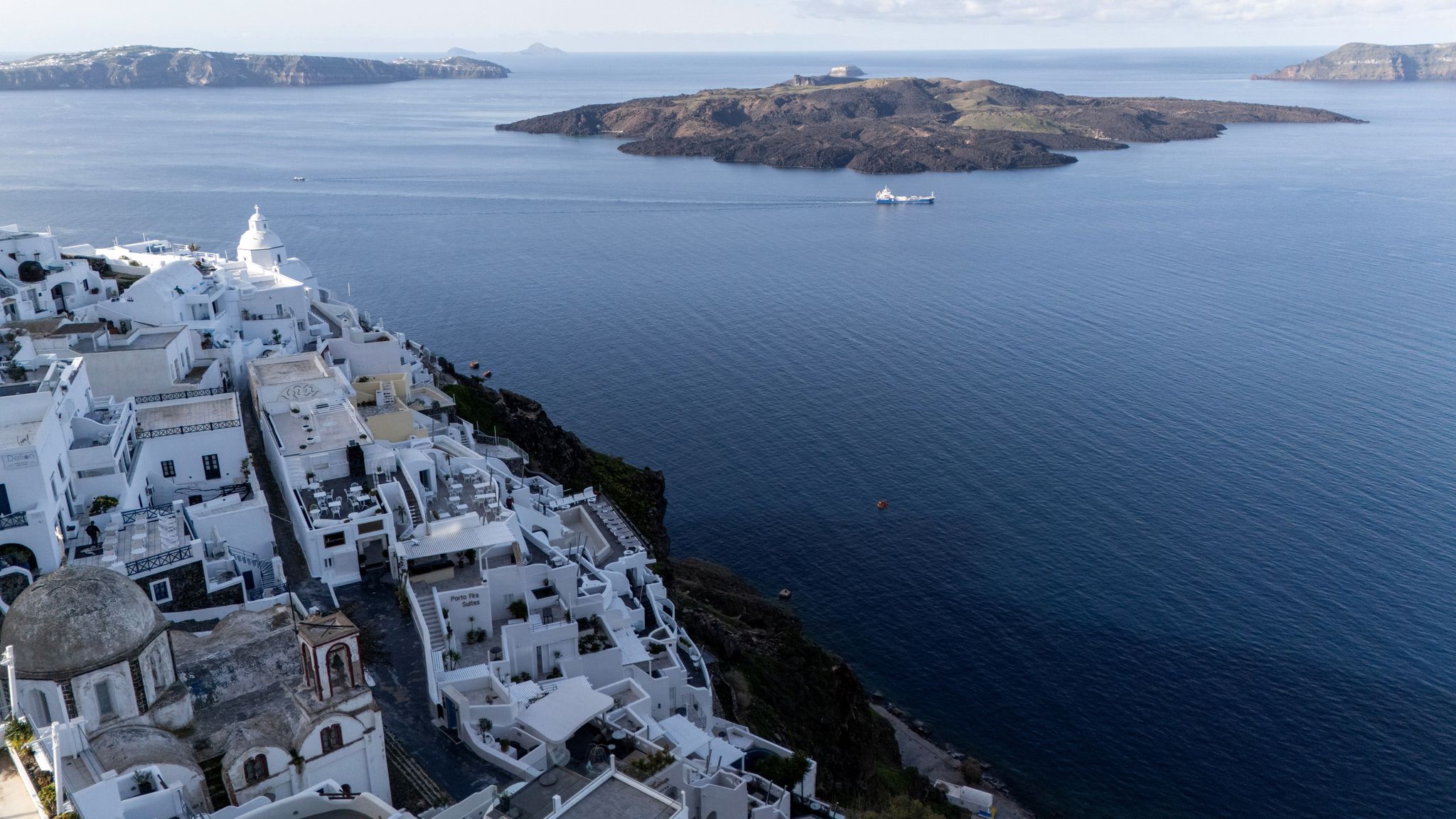
Buildings in Santorini are constructed according to strict seismic building codes, ensuring they can withstand moderate to severe earthquakes. Modern infrastructure incorporates advanced engineering techniques to enhance resilience against seismic forces.
The Greek government, in collaboration with international organizations, has invested in early warning systems that can detect seismic activity and alert the population in advance. These systems play a crucial role in minimizing the impact of earthquakes on the island.
This article aims to provide a detailed exploration of Santorini Greece earthquakes, equipping readers with essential knowledge about seismic activity in the region. From historical records to modern-day preparedness, we will cover everything you need to know about this critical topic. Let's dive in.
Geologists have identified key areas on the island that are more prone to seismic activity. These zones are closely monitored for any signs of increased seismicity, allowing authorities to take preventive measures when necessary.
